Trapping: Overview
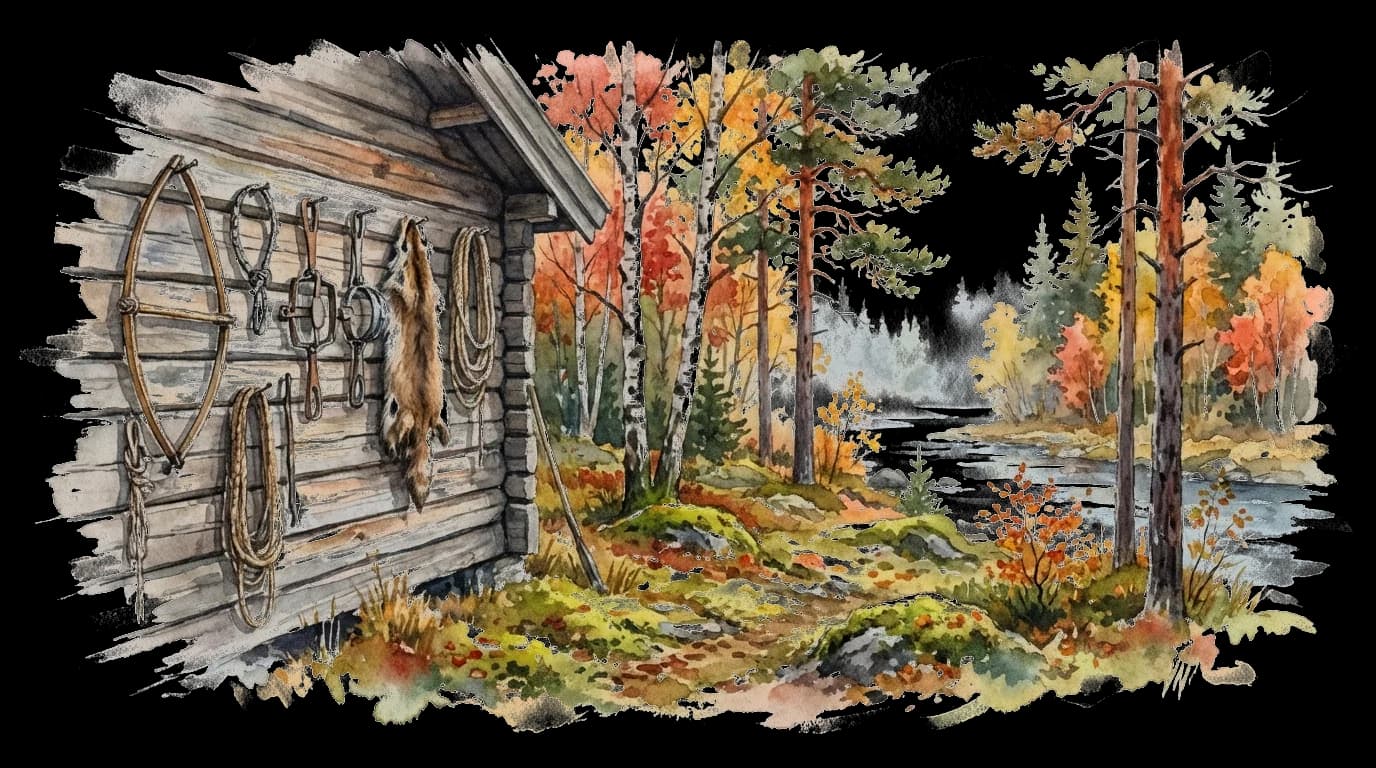
Legal trapping in Scandinavia. Which species can be trapped and general principles.
Trapping is an ancient form of hunting that is still actively practiced in Scandinavia. Trapping with traps is used primarily to manage populations of small predators and invasive species, and is a useful tool in wildlife management.
The most common species for trapping are mink, pine marten, stoat, badger, red fox, and corvids. Mink is an invasive species (originally from North America) that causes significant damage to bird populations along the coast and in waterways. Mink trapping is therefore especially important from a conservation perspective.
To engage in trapping, you need the landowner's permission, a valid hunting license, and in many countries a separate trapping course. Regulations vary between Norway, Sweden, Finland, and Denmark, and it is the trapper's responsibility to know the rules in their area.
All traps used must be approved by the authorities. The requirement is that the trap kills the animal quickly and humanely, or keeps it alive without unnecessary suffering (cage traps). Leghold traps and other traps that catch the animal without killing it immediately (except cage traps) are prohibited in most Scandinavian countries.
Trapping is seasonal. Hunting seasons for trapping largely follow the same periods as regular hunting, but there may be separate rules. Winter is the main season for most trapping species.
Animal welfare is central to modern trapping. Research on trap killing efficiency is ongoing, and authorities update approval lists based on new findings. The AIHTS agreement (Agreement on International Humane Trapping Standards) sets international standards that Scandinavia follows.
Trapping requires knowledge of wildlife behavior, track reading, trap placement, and inspection. It is a demanding form of hunting that gives the trapper close contact with nature throughout the winter half of the year.