Trapping Equipment
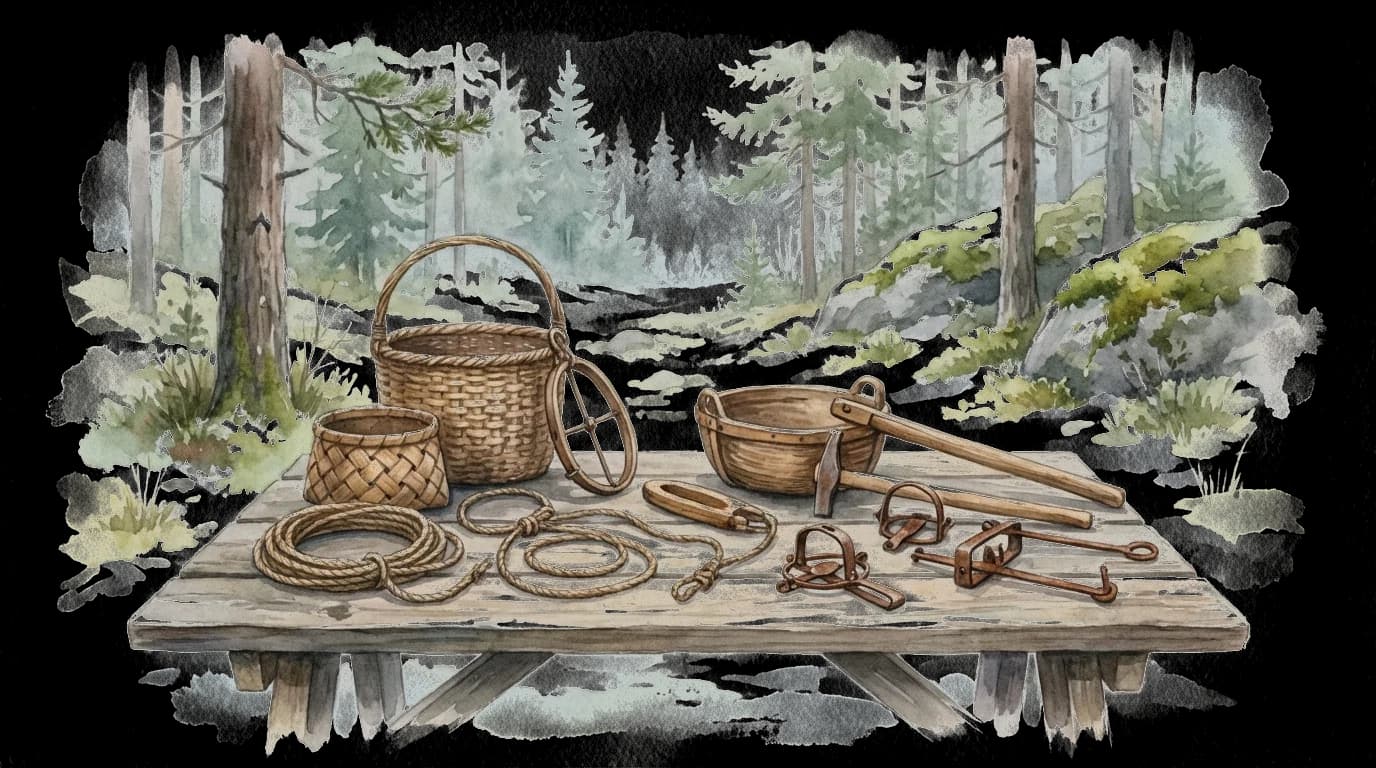
Overview of legal trapping equipment in Scandinavia. Types, use, and approval.
Legal trapping equipment in Scandinavia is divided into three main categories: kill traps, cage traps, and snares. Each category has its own rules for approval, use, and inspection.
Kill traps dispatch the animal immediately through a mechanical strike. The most common types are Conibear traps in various sizes, Goodnature traps (CO2-powered), and Belisle traps. The size is matched to the species: small traps for stoat, medium for mink and pine marten, large for beaver and badger.
Cage traps catch the animal alive. They come in many designs, from simple wire cages to advanced constructions with double entrances and tipping mechanisms. Cage traps are used for mink, pine marten, stoat, red fox (fox cage), and corvids.
Snares are loops that tighten around the animal. Legal use of snares is limited to specific species and areas in most Scandinavian countries. Approved snare types and methods are specified in the regulations.
Trap boxes are accessories placed around kill traps. The box guides the animal into the trap in the correct position and protects against accidental triggering. In many areas, trap boxes are mandatory when using kill traps.
Electronic trap notification has changed trapping significantly. Sensors in the trap send SMS or app alerts when the trap is triggered. This makes inspection more efficient and reduces the number of unnecessary trips to untriggered traps.
Approval of trapping equipment is administered by national authorities. In Norway, it is the Norwegian Agriculture Agency that maintains the list of approved trap types. In Sweden, it is the Swedish Environmental Protection Agency. Only approved traps are legal to use.
Leghold traps, leg traps, and other traps that catch the animal without immediate dispatch (except cage traps) are prohibited throughout Scandinavia. Glue and poison are also prohibited as trapping methods.
Maintenance of trapping equipment is important. Rusty, worn, or defective traps perform poorly and can cause unnecessary suffering. Inspect traps before each season and replace worn parts.