Snares
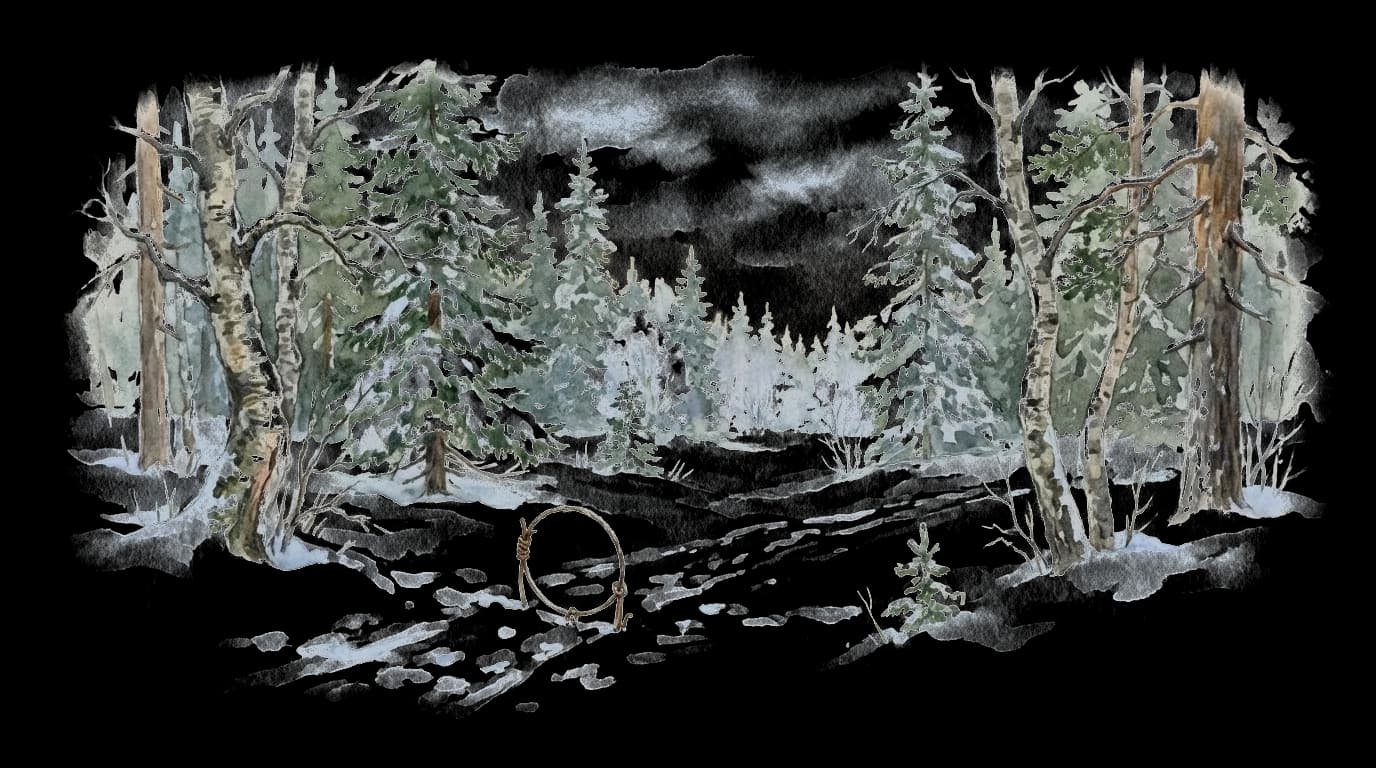
Ptarmigan snares and other snare trapping. Historical tradition and current regulations.
Snare trapping has a thousand-year tradition in Scandinavia. Ptarmigan snares were one of the most important food sources for people in the inland and mountain communities, and the harvest was a central part of the winter economy right up to modern times.
A snare is a simple loop of wire or cord that tightens around the animal when it passes through. Traditional ptarmigan snares were set along known migration routes in the birch forest, often in fences made of twigs that guided the ptarmigan toward the snares.
Today, snare trapping is strictly regulated. In Norway, ptarmigan snares are permitted in Nordland, Troms, and Finnmark for residents of the municipality. The rules are strict: snares must be of approved type, set in an approved manner, and inspected daily.
In Sweden, ptarmigan snare trapping is permitted in certain parts of Norrland under similarly strict conditions. Finland has its own rules. In Denmark, snare trapping is essentially prohibited.
Fox snares are used in some countries under strict conditions. The snares tighten around the neck and kill the fox. Requirements for placement and inspection are strict, and the method is controversial.
Criticism of snare trapping primarily concerns animal welfare. An animal caught in a snare that does not kill immediately can suffer. Modern requirements for snare type and inspection are intended to minimize this, but the debate continues.
Historically, snare trapping was a livelihood in the mountain communities. Knowledge of trapping sites, migration routes, and snare types was passed down through generations. Several museums and cultural institutions are working to document this tradition.
If you want to try snare trapping, it is essential to thoroughly familiarize yourself with the regulations for the specific country and area. Illegal snare trapping is severely punished.