Interpreting Blood Trails
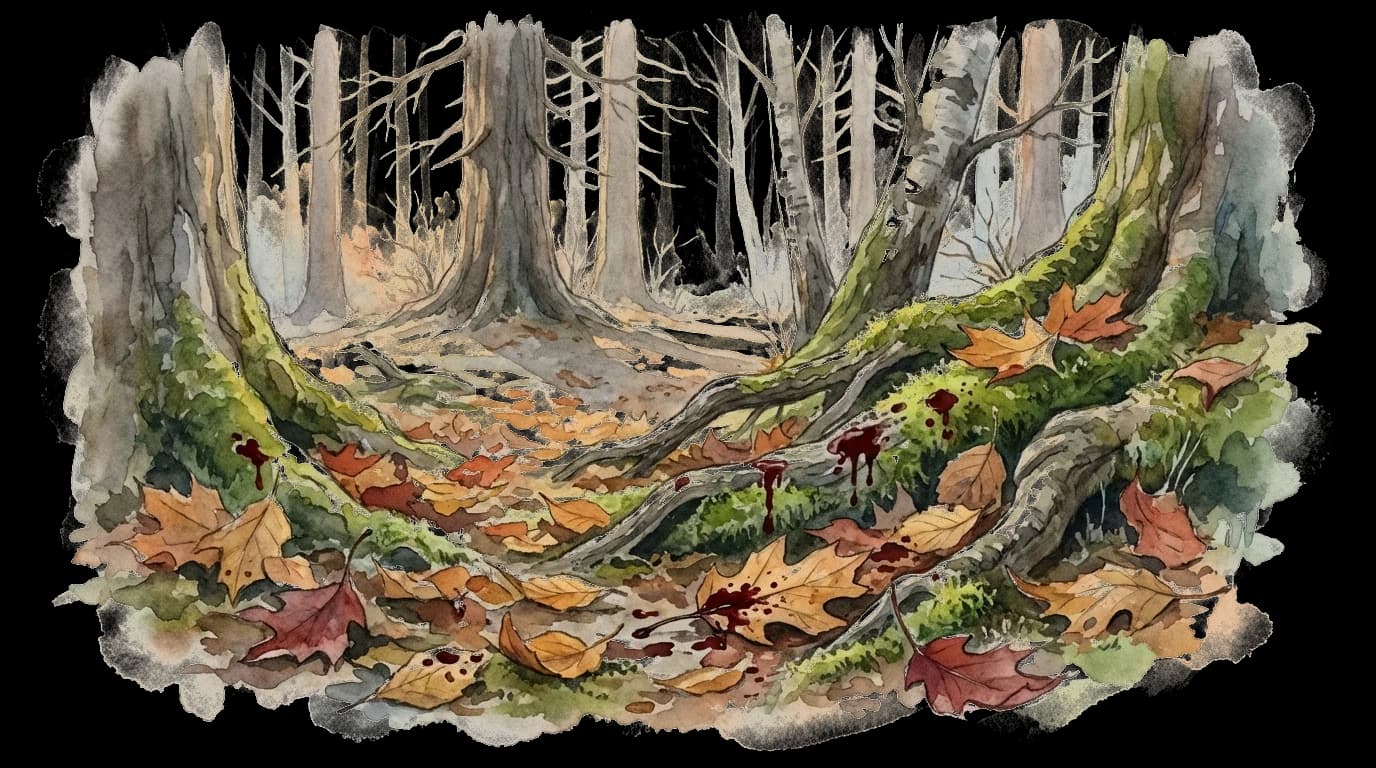
How to interpret blood trails: color, quantity, direction, and what it tells you about the hit.
The ability to interpret blood trails is an important skill for all hunters. The blood tells a story about the hit, and correct interpretation can determine whether the tracking effort succeeds.
Color is the most important indicator. Bright red, frothy blood with air bubbles indicates a lung shot. The lungs are heavily vascularized and oxygen-rich, and the blood foams because it mixes with air. This is the best scenario. The animal has likely traveled no more than 50 to 150 meters.
Dark red blood without foam indicates a hit in the liver, kidneys, or large muscles. Liver blood is particularly dark and may have a somewhat thicker consistency. A liver hit is lethal, but the animal may travel further than with a lung shot. Wait at least an hour before following the trail.
Very dark, almost black blood may indicate a hit in major blood vessels or the heart. Heart-shot animals typically fall within 100 meters but can in rare cases travel further.
The quantity of blood is also informative. Heavy blood along the trail indicates a pass-through shot where the bullet made two holes (entry and exit). Sporadic blood drips may indicate that the bullet remains in the animal and only one hole is bleeding.
The direction of blood spray can tell you which side the animal was hit on. Blood spraying to the left indicates a hit from the right side, and vice versa. Blood on vegetation at hip height indicates a body hit, while blood low on the ground may indicate a leg hit.
In poor tracking conditions (rain, snow, dry terrain), blood can be difficult to see. Consider using a blood lamp (UV lamp) that makes blood fluoresce. Especially useful in the dark.
Practice reading blood trails during courses and exercises. Theoretical knowledge is good to have, but it's in the field that you truly learn to interpret the signs.