Preventing Wounding
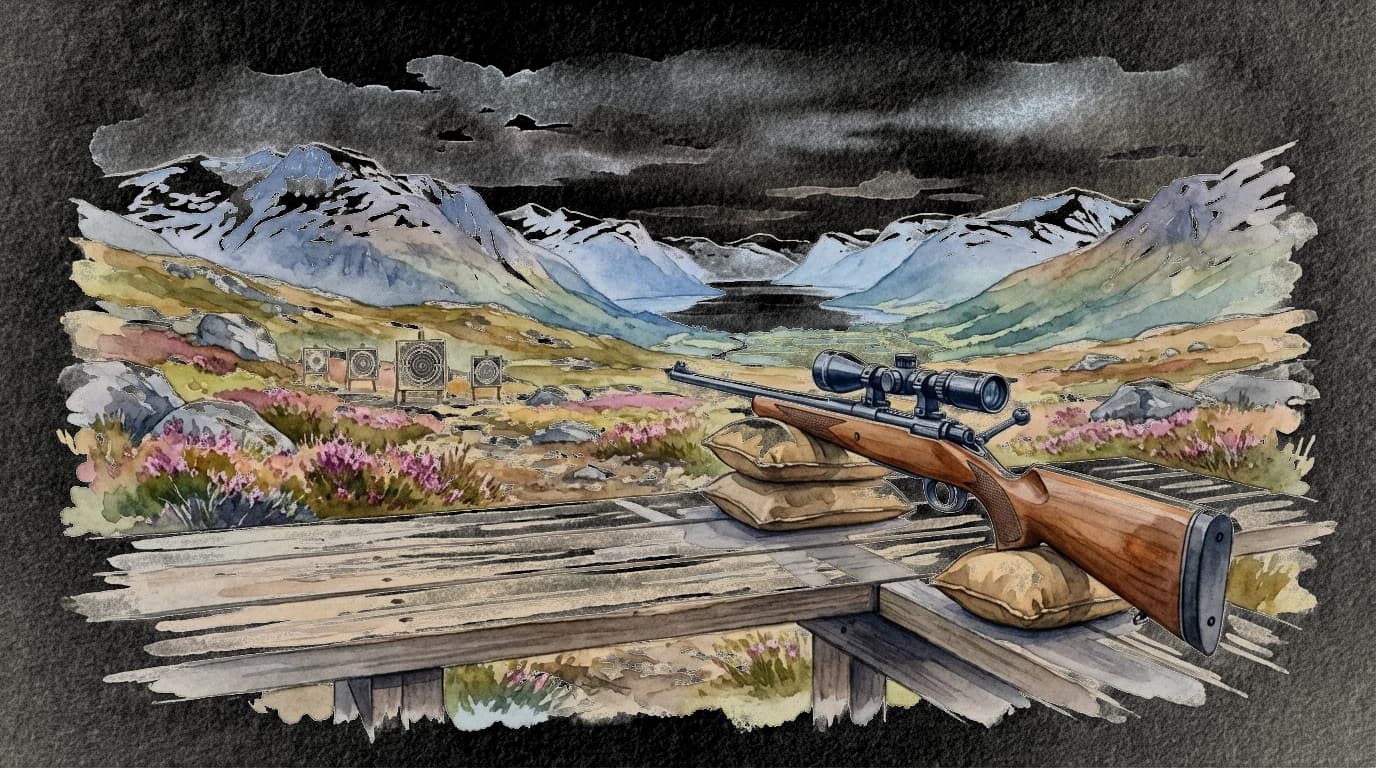
Shooting practice, range estimation, ethics, and the principle of not shooting when in doubt.
The best tracking operation is the one that never needs to happen. Preventing wounding is about taking responsibility before the shot is fired.
Shooting practice is the most important thing you can do. Shoot regularly at the range, not just in the days before the hunt. A good hunter maintains shooting skills year-round. Practice should include shooting in realistic positions: standing with support, sitting, kneeling, and from a hunting tower.
Range estimation is equally important. Most woundings happen because the hunter shoots at too great a distance. Use a rangefinder and know your own maximum effective range. That distance is individual and depends on shooting skill, weapon, caliber, and conditions.
A good principle is to halve the distance you can manage at the range. Stress, cold, uneven ground, and a living animal that may move mean that field conditions are always more difficult than at the range.
Never shoot at moving game with a rifle unless you are very experienced and the distance is short. A stationary animal provides a predictable point of impact. A moving animal multiplies the uncertainty many times over.
Consider the shooting angle. Shots from behind and head-on provide narrow target areas and high risk of wounding. Broadside is ideal, where vital organs (lungs, heart) present a large target.
"If in doubt, don't shoot." That principle should apply to all hunters. Uncertainty about species, sex, distance, background, or your own shooting ability is reason enough to lower the weapon. There will always be new opportunities.
Shot assessment is about putting animal welfare above the desire to hunt. A hunter who lets a doubtful animal pass shows more competence than one who shoots "because it might hit."