Tracking Cervids
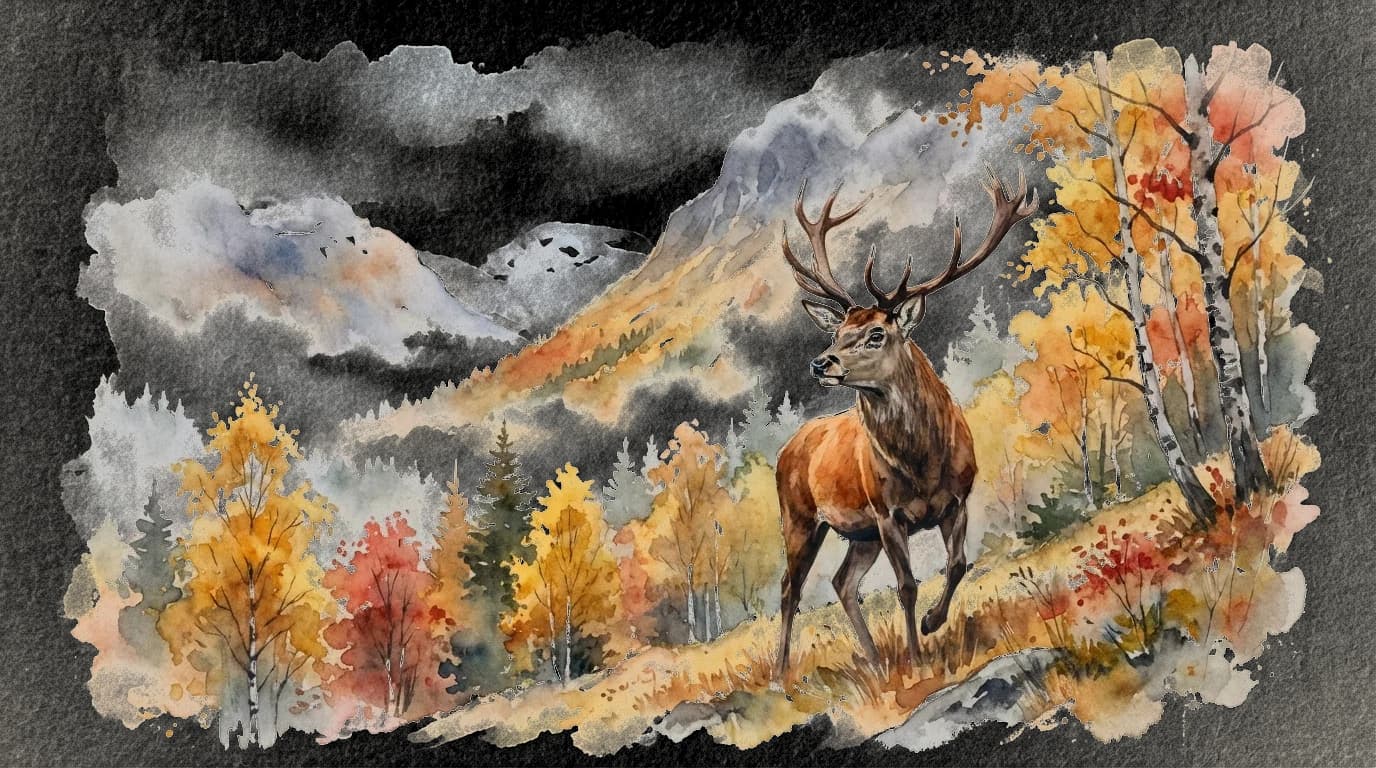
Specific advice for tracking moose, red deer, roe deer, and wild reindeer.
Tracking cervids (moose, red deer, roe deer, and wild reindeer) makes up the majority of all tracking operations in Scandinavia. Each species has its own characteristics that affect how the tracking should be conducted.
Moose is the largest game and typically leaves clear signs. A hit moose leaves behind a lot of blood, clear tracks in the ground, and often broken branches. The challenge is that a seriously wounded moose can travel very far, especially in dense forest. A gut-shot moose can wander several kilometers. The moose's size means it can take a lot, and even fatally hit animals can stay on their feet surprisingly long.
Red deer is lighter than moose but can also cover great distances after a hit. In steep western Norwegian terrain, red deer often seek downhill after a hit, which can lead the trail toward water, roads, or settlements. The terrain can make tracking physically demanding.
Roe deer is small and light, and the blood trail is correspondingly modest. Small blood drops and short hairs make the shot site examination more difficult. Roe deer tend to lie down after a short time, which is positive. But if disturbed, they get up and flee further. Give roe deer plenty of time.
Wild reindeer live in open mountain terrain where tracking can be both easier and harder. Blood trails on snow are clearly visible, but in boulder fields and lichen the trail can disappear quickly. Wind and weather can worsen conditions rapidly in the mountains.
For all cervid species: wait sufficient time after the shot, examine the shot site thoroughly, and call in an approved tracking dog when in doubt. It is better to call the tracking team one time too many than one time too few.
Always document the tracking effort. Time, findings, decisions, and results should be noted. The information is useful for future tracking operations and for wildlife management.